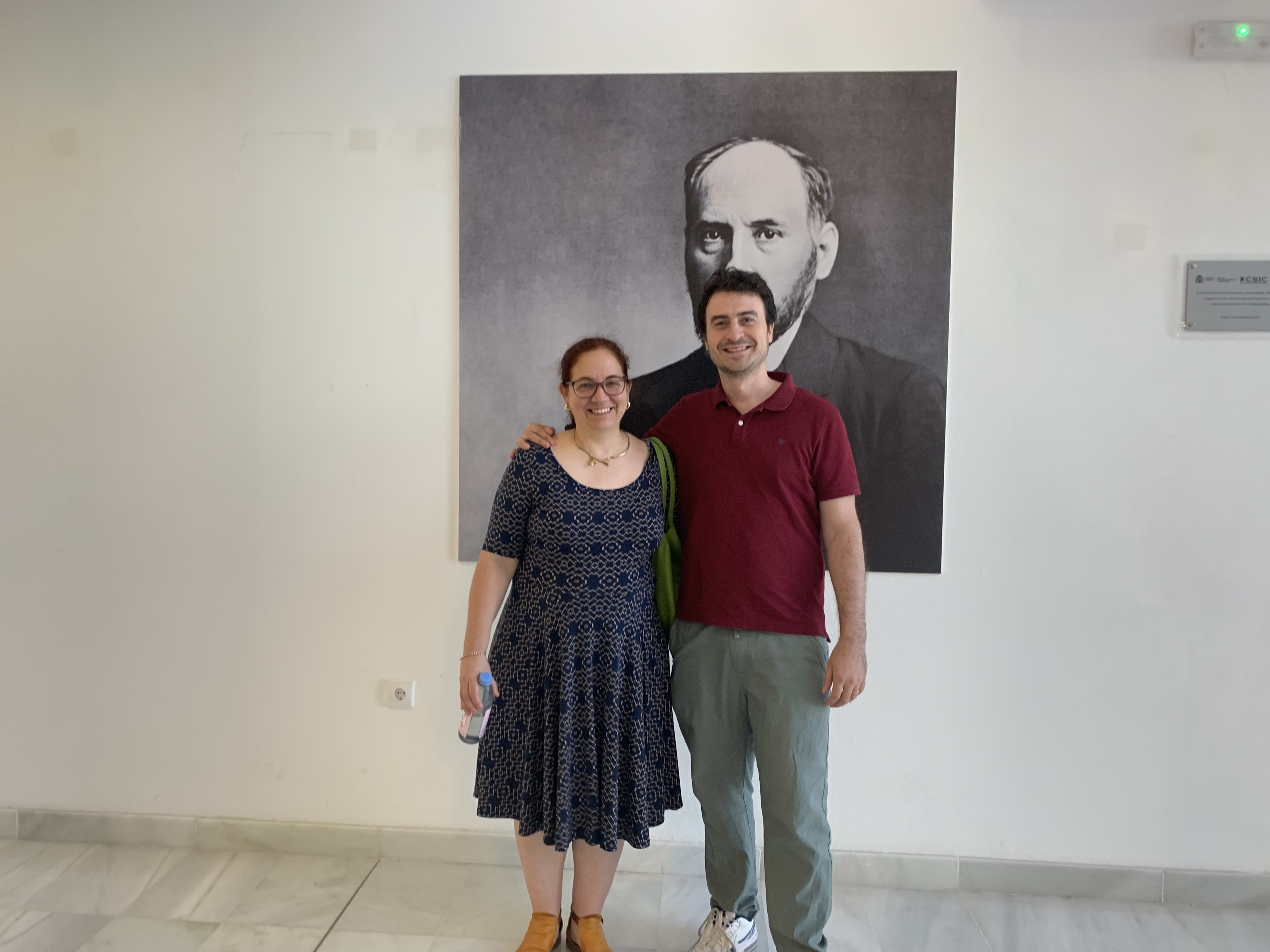
"Any man could, if he were so inclined, be the sculptor of his own brain"
β Santiago RamΓ³n y Cajal
Hi there! We are a young research group united by a common passion: understanding the mechanisms underlying brain functions. Our work bridges cellular neuroscience with systems-level approaches to understand how brain structure and function control voluntary behaviors.
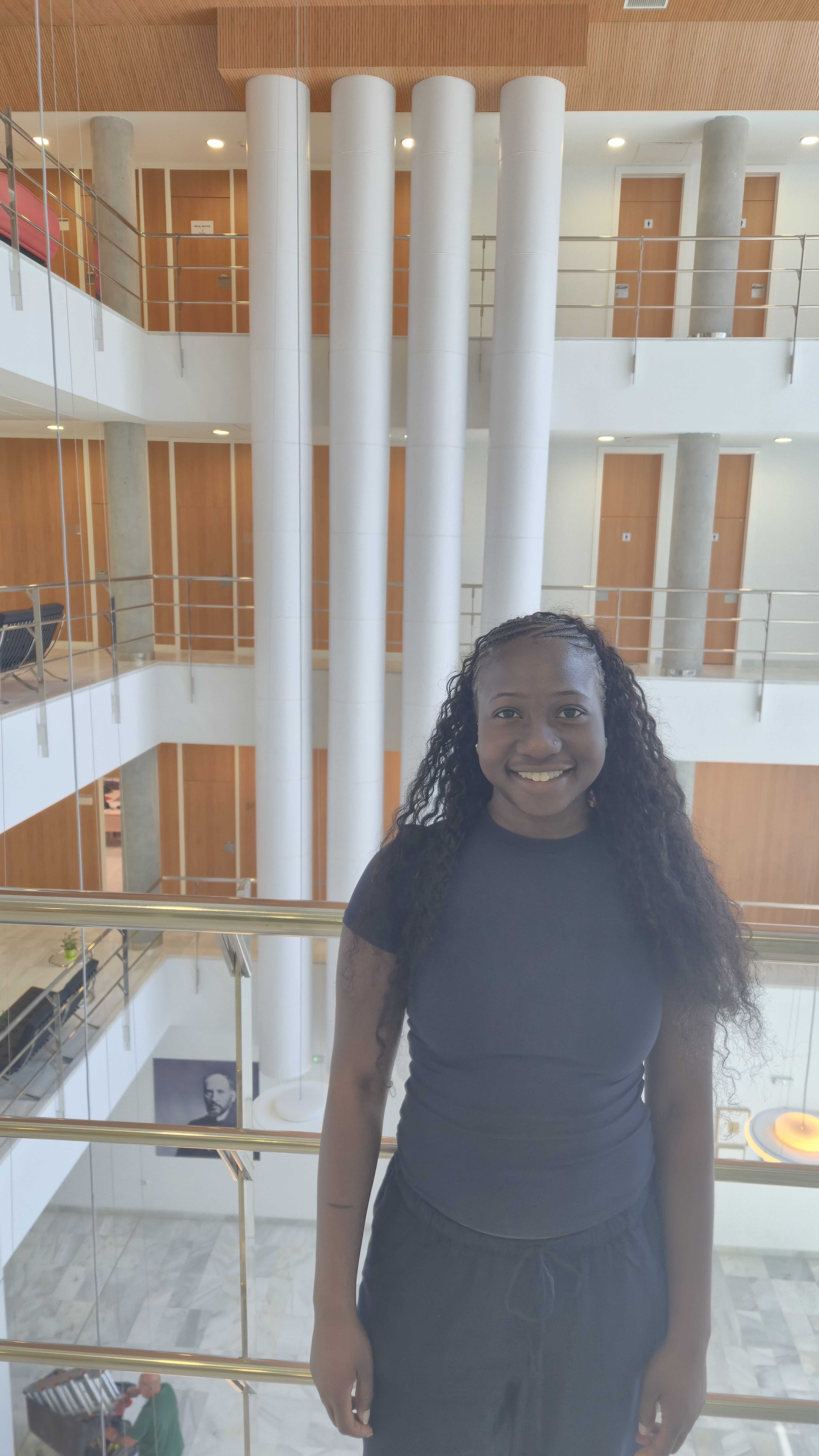
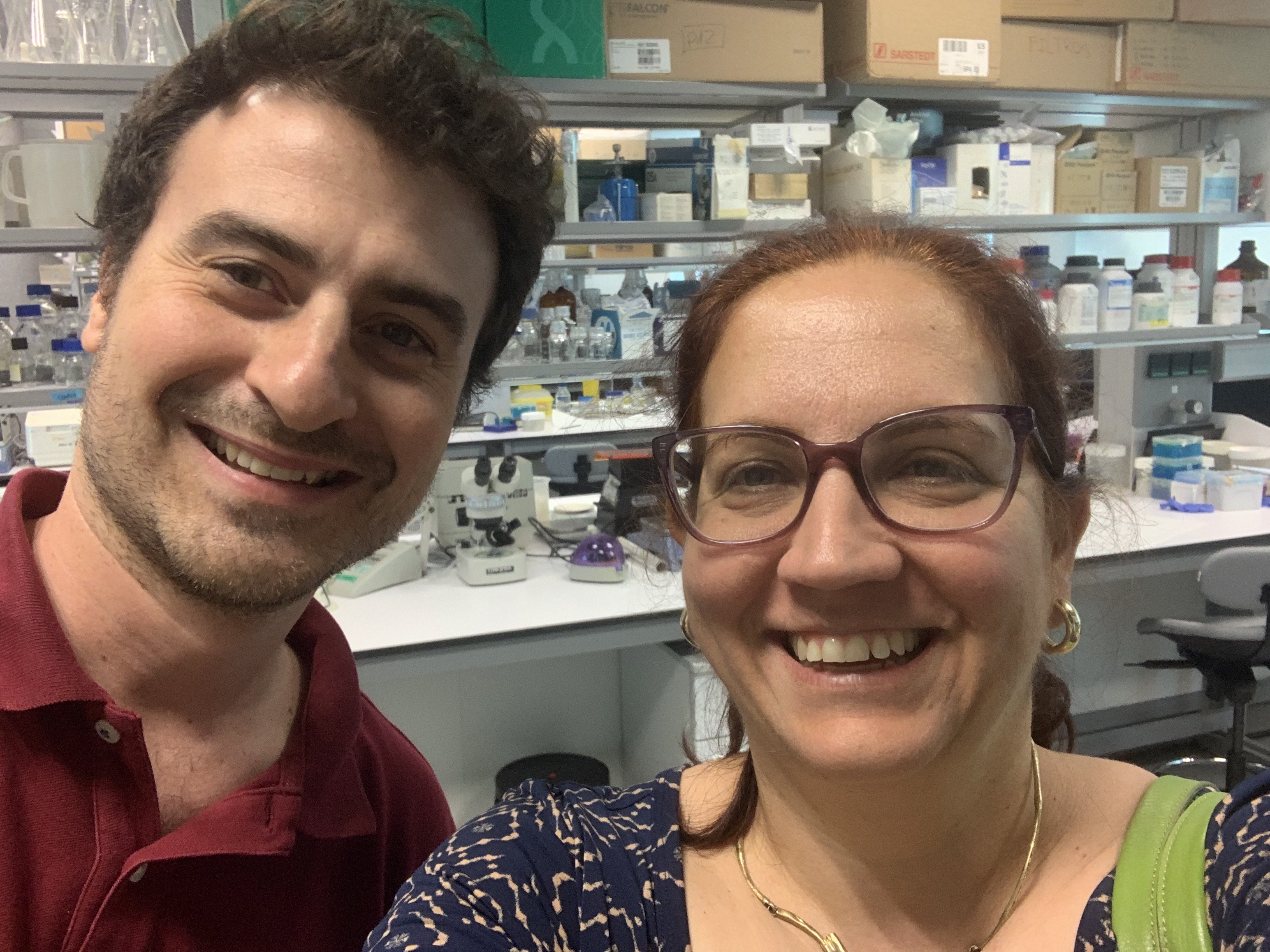
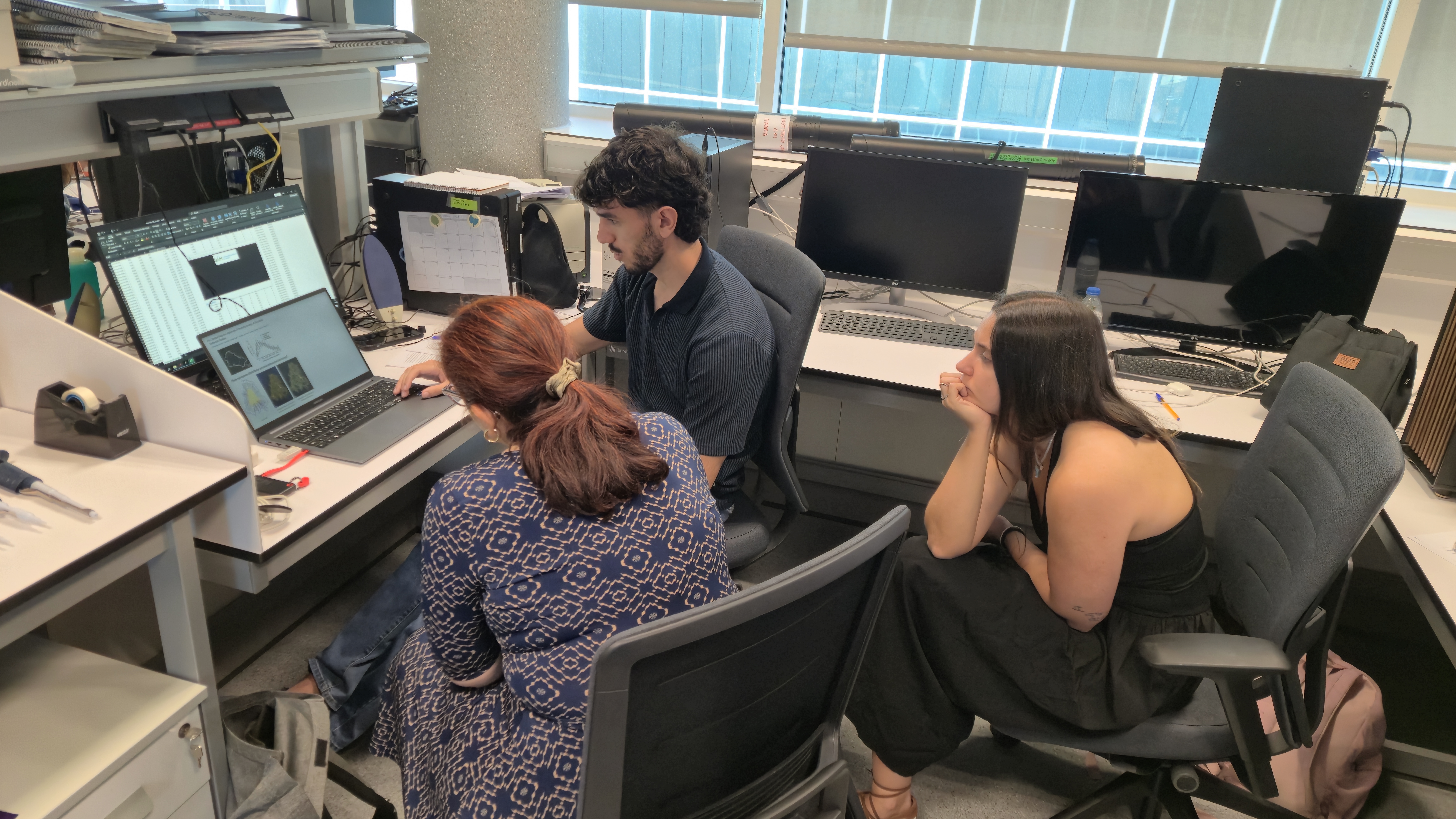
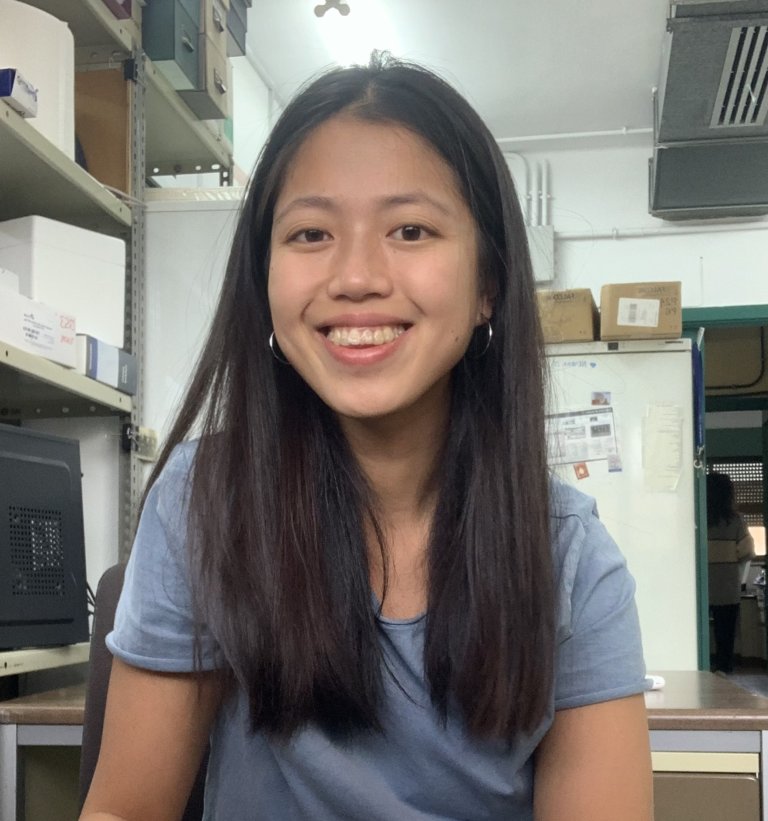
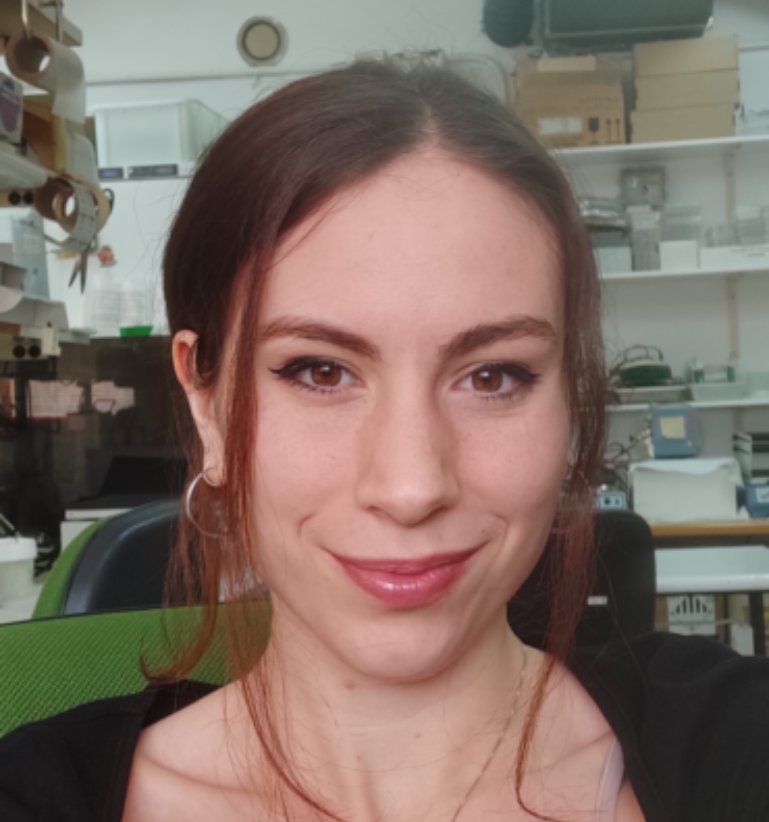
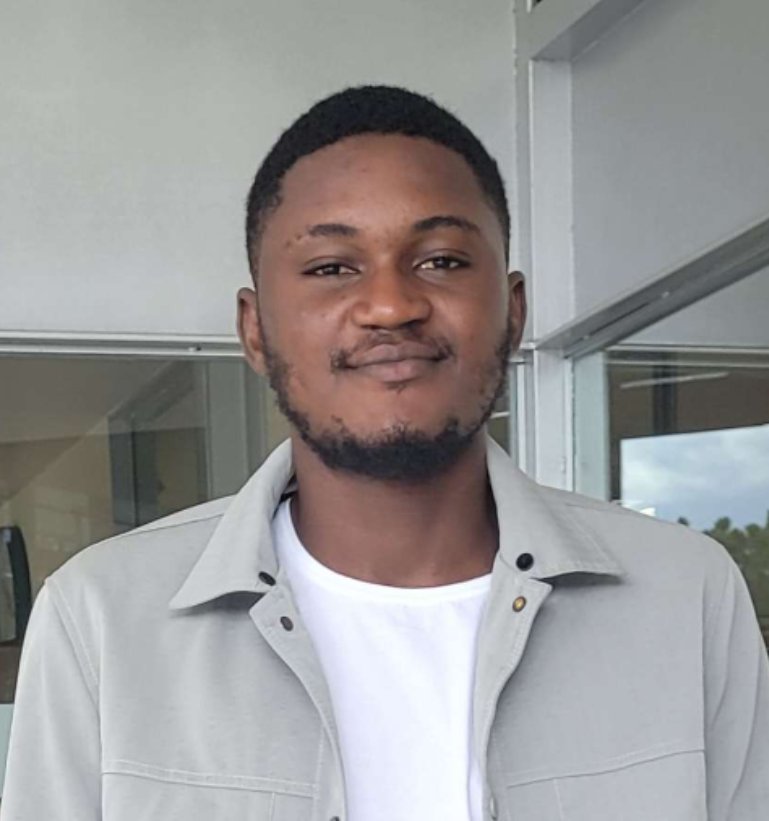
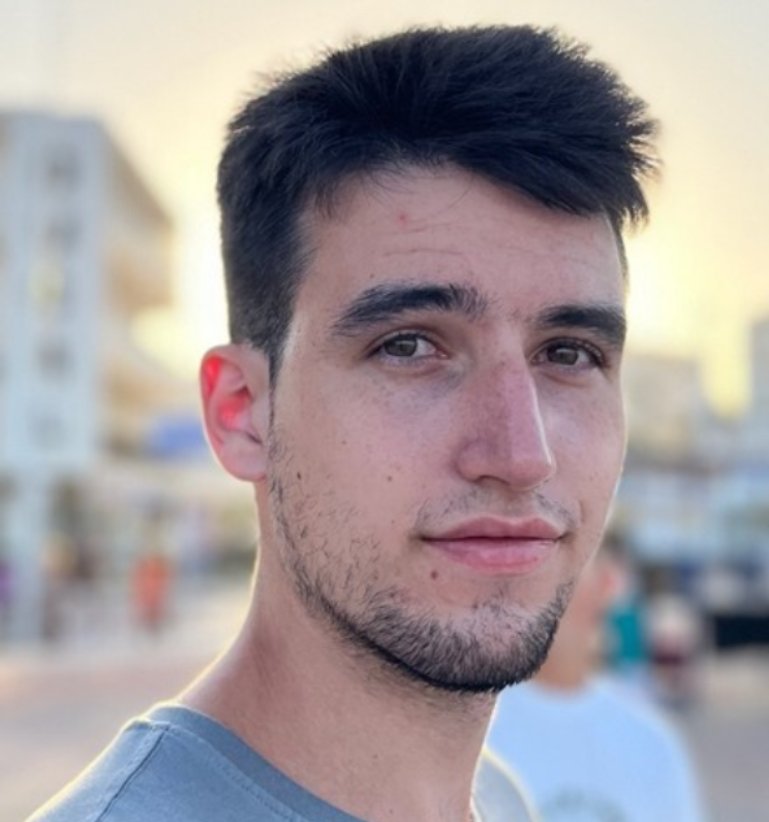
Our lab brings together researchers at different stages of their scientific careers, united by curiosity and a shared passion for understanding the brain.
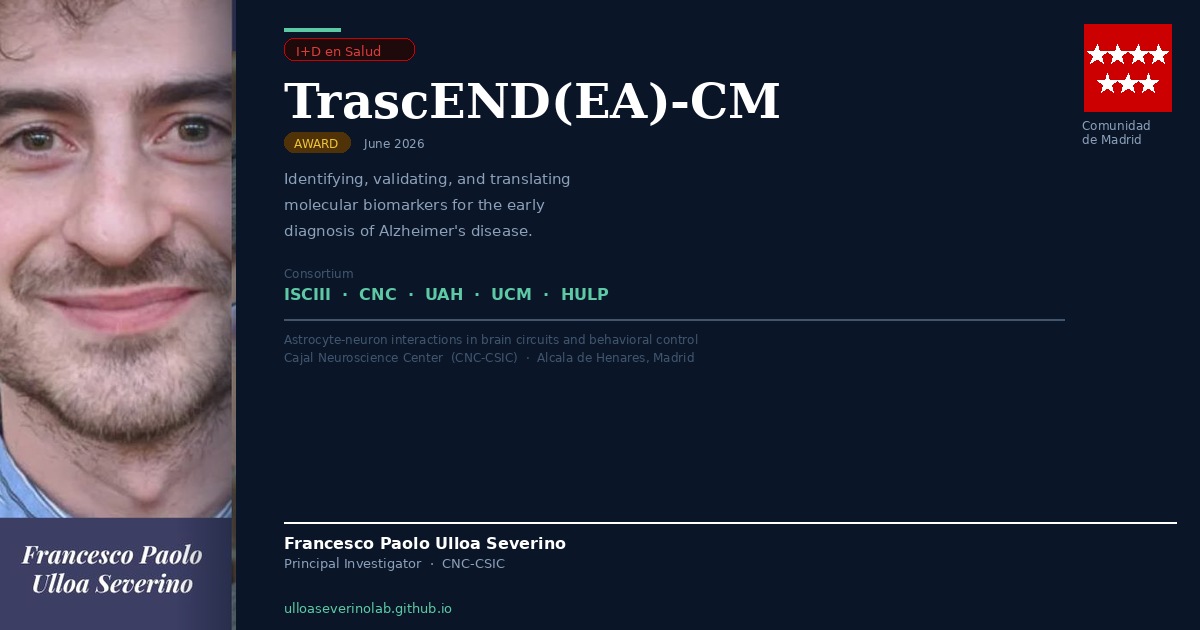
Tenured Researcher (CientΓfico Titular) Β· Cajal Neuroscience Center (CNC-CSIC), Madrid
Department of Computational and Systems Neuroscience
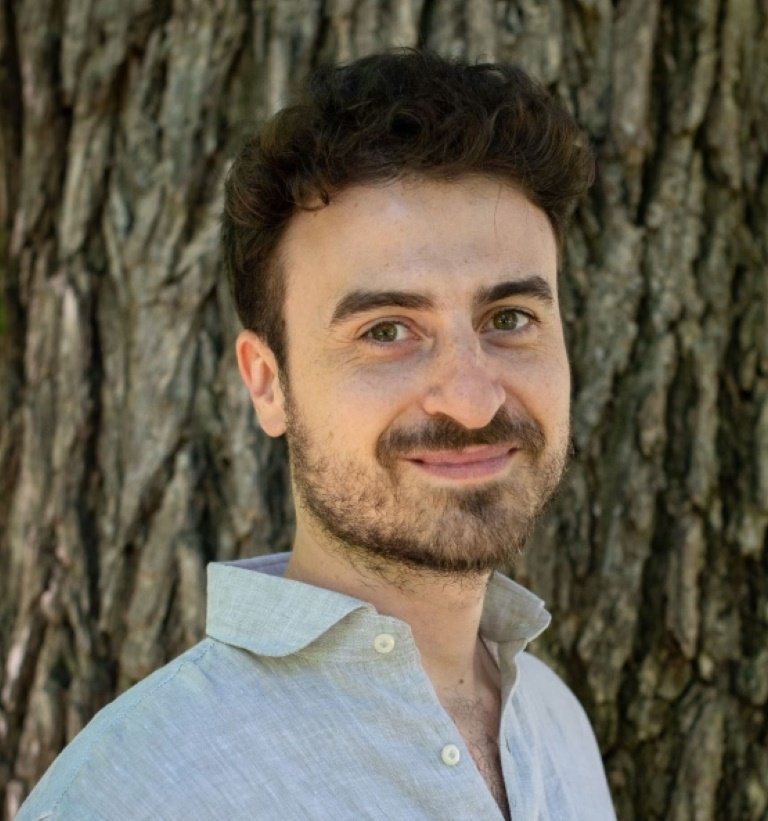
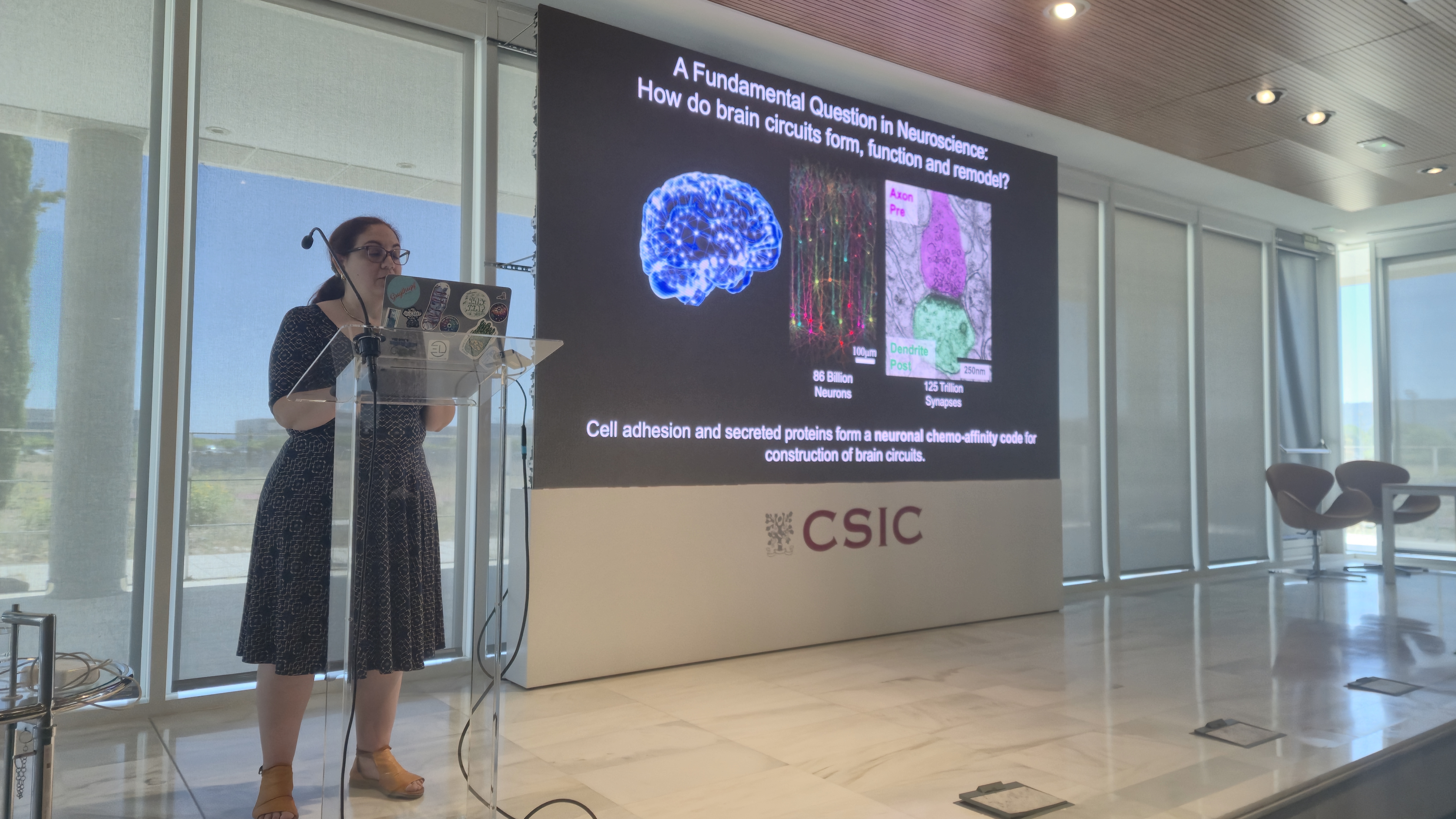
Francesco is a Tenured Researcher at the Cajal Neuroscience Center (CNC) in AlcalΓ‘ de Henares, Madrid (ES). He joined the Cajal Institute as a RamΓ³n y Cajal awardee in 2023. He graduated in General and Applied Biology at the University of Naples Federico II, Napoli (IT), has a Master's in Molecular Biology, and earned his Ph.D. in Neurobiology at SISSA, Trieste (IT). In 2018, he started his postdoctoral research at Duke University (NC, USA).
Email: francesco.ulloa@cajal.csic.es Β· Av. de Leon 1, Campus Universitario, 28805 AlcalΓ‘ de Henares, Madrid

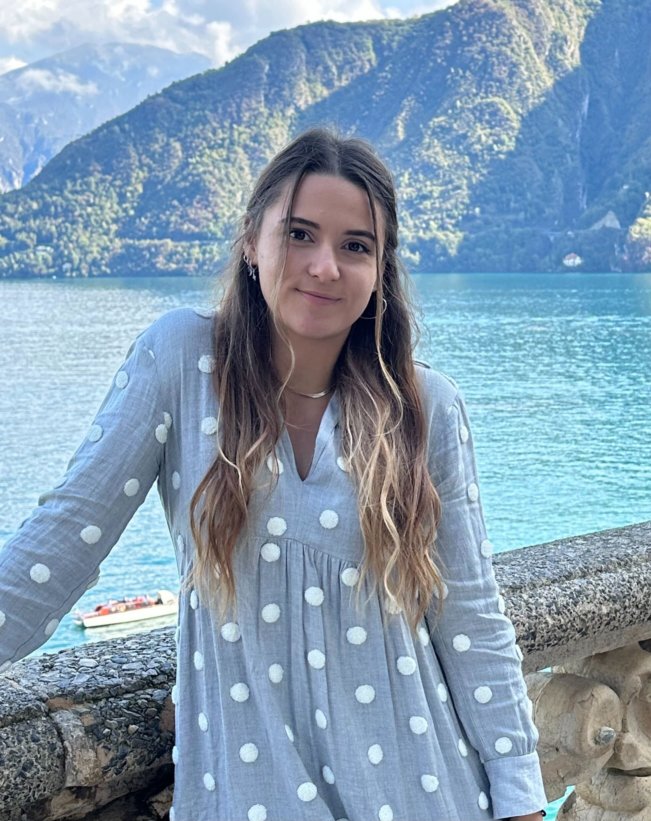
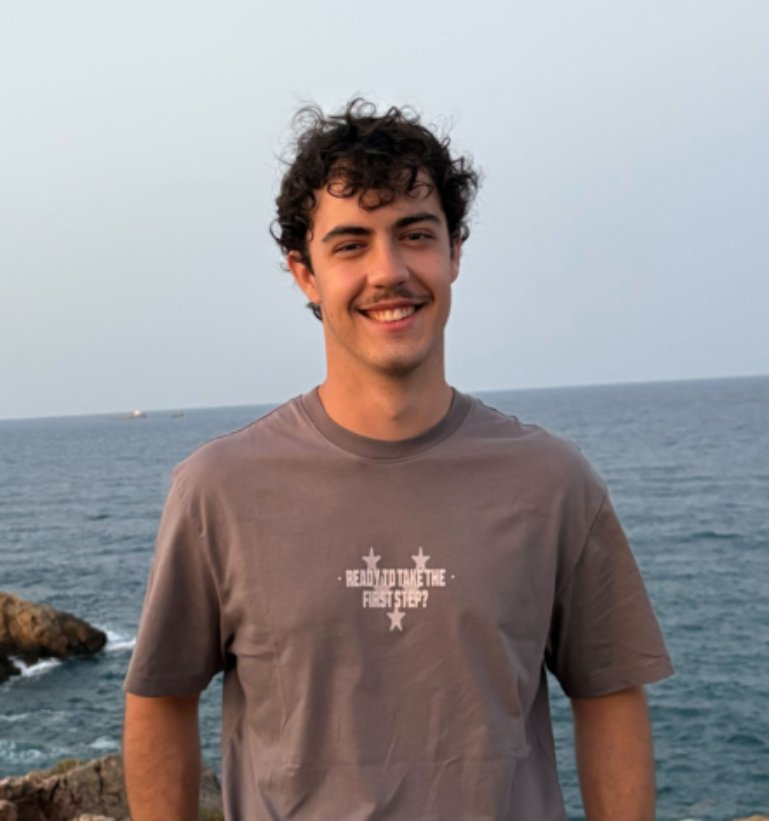
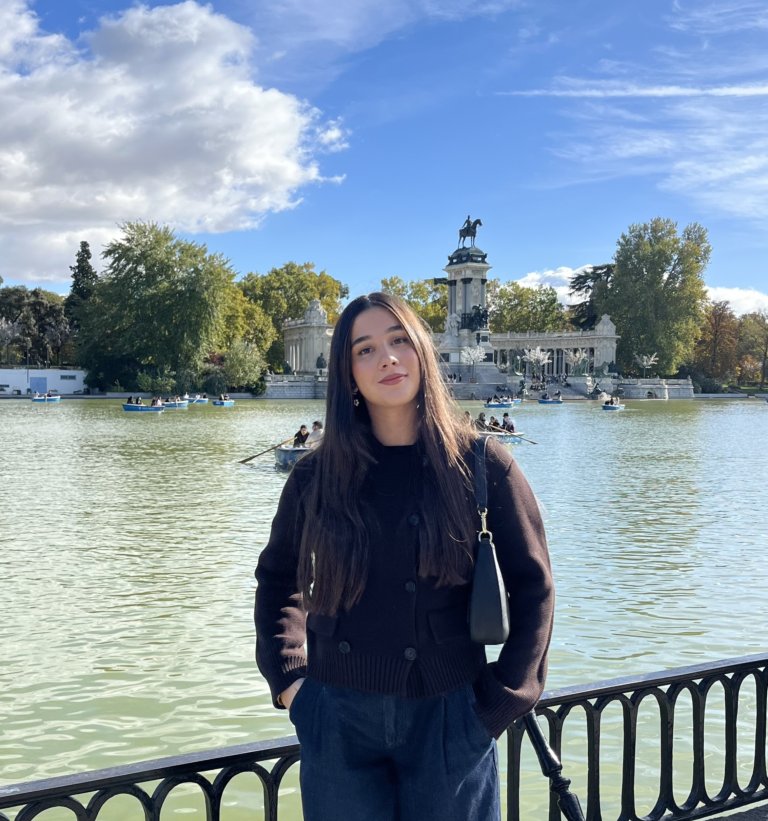
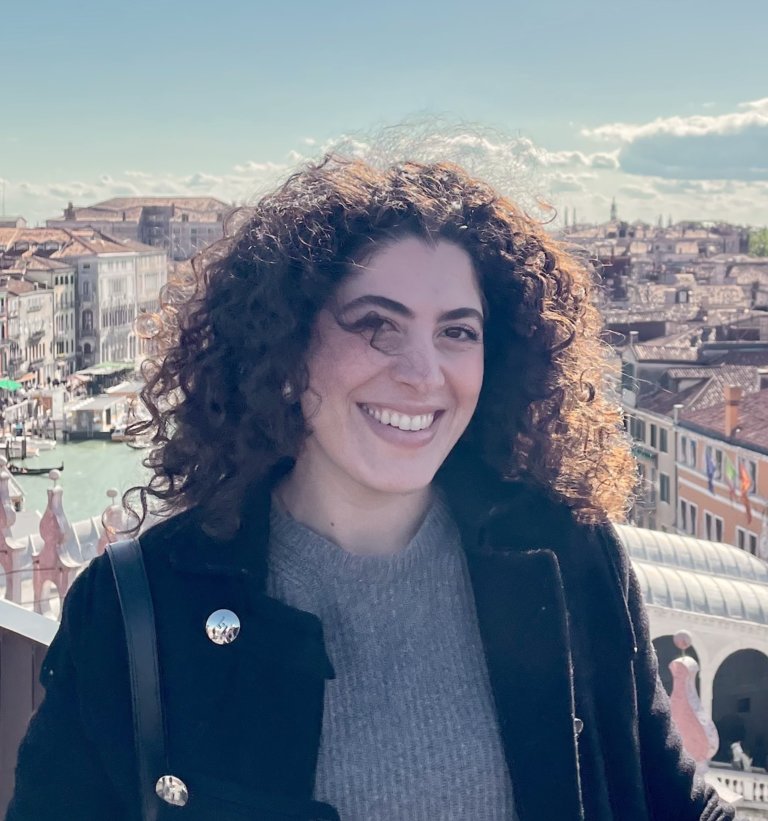
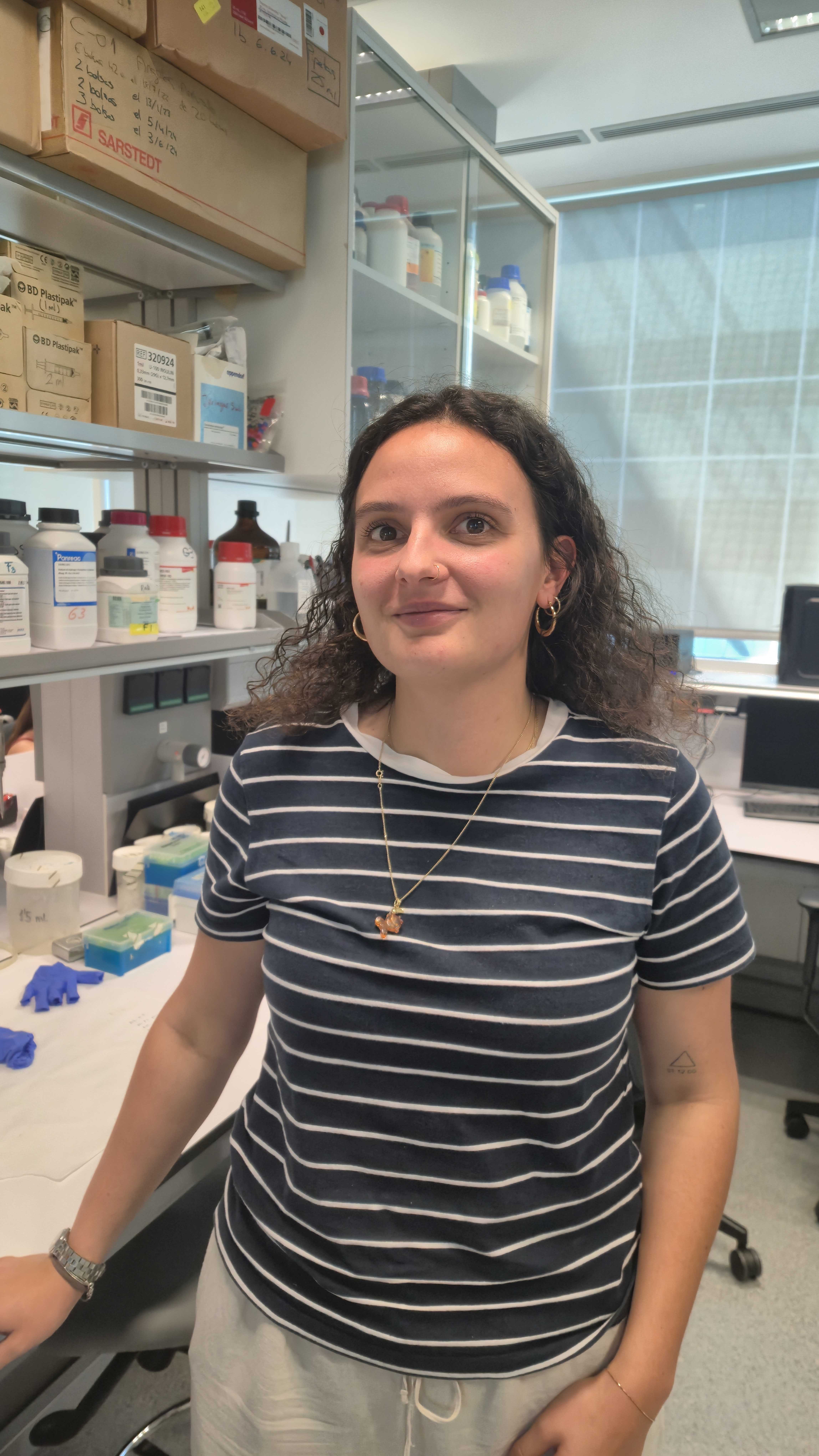
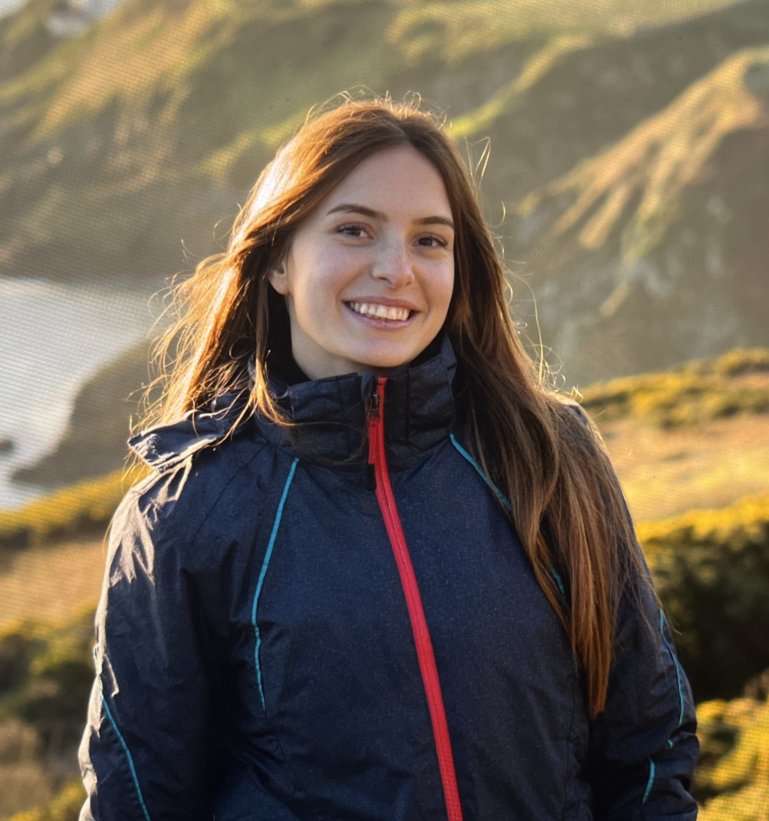
Marta earned her degree in Biology from the Autonomous University of Madrid, where she first gained laboratory experience in a research group within our center. She later completed a Master's degree in Translational Neuropsychopharmacology at Miguel HernΓ‘ndez University of Elche. Although she initially began her research career in other scientific fields, she soon realized that neuroscience was what truly sparked her scientific curiosity. This led her back to the Cajal Neuroscience Center, where she joined our laboratory to pursue her PhD. Alongside her enthusiasm for travel and CrossFit, Marta is passionate about uncovering how the brain works and how it shapes behavior.

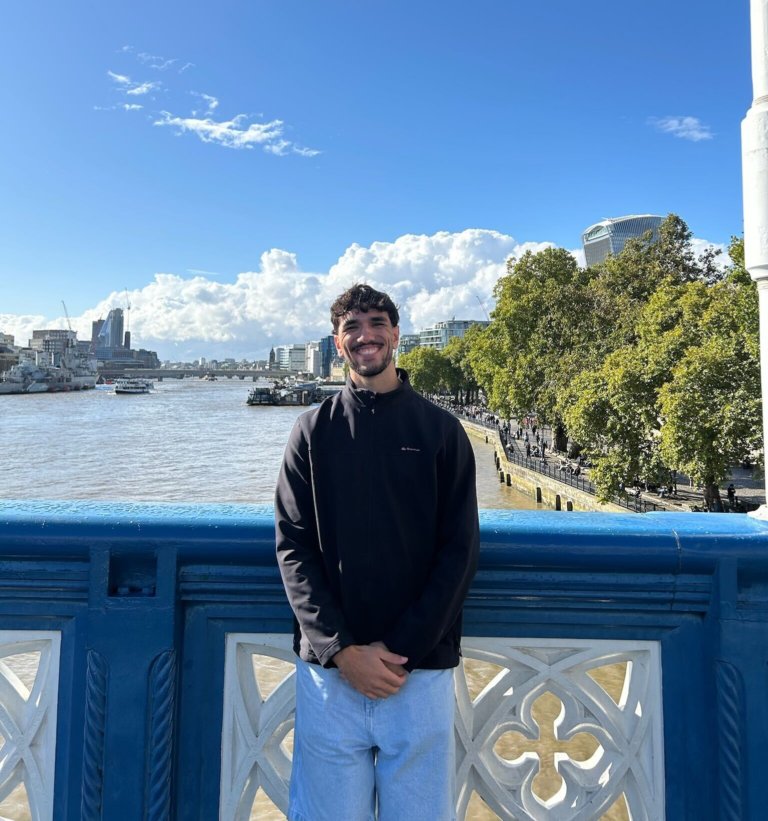
Daniel holds a degree in Psychology from the Autonomous University of Madrid (UAM) and is currently a student of the Master's degree in Neuroscience at the same university. A fan of reading and sports, always eager to learn new things.

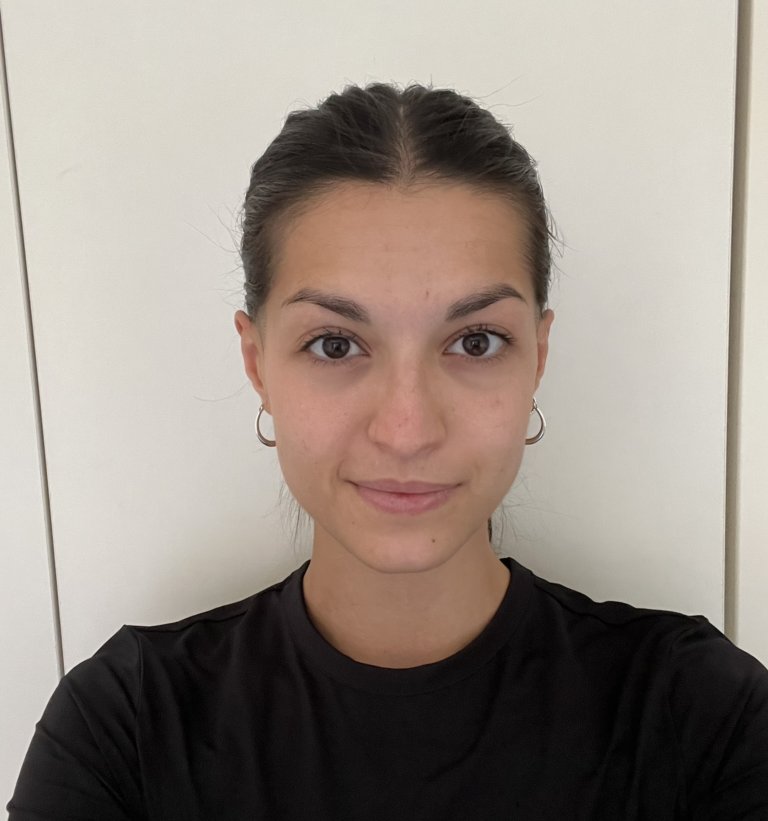
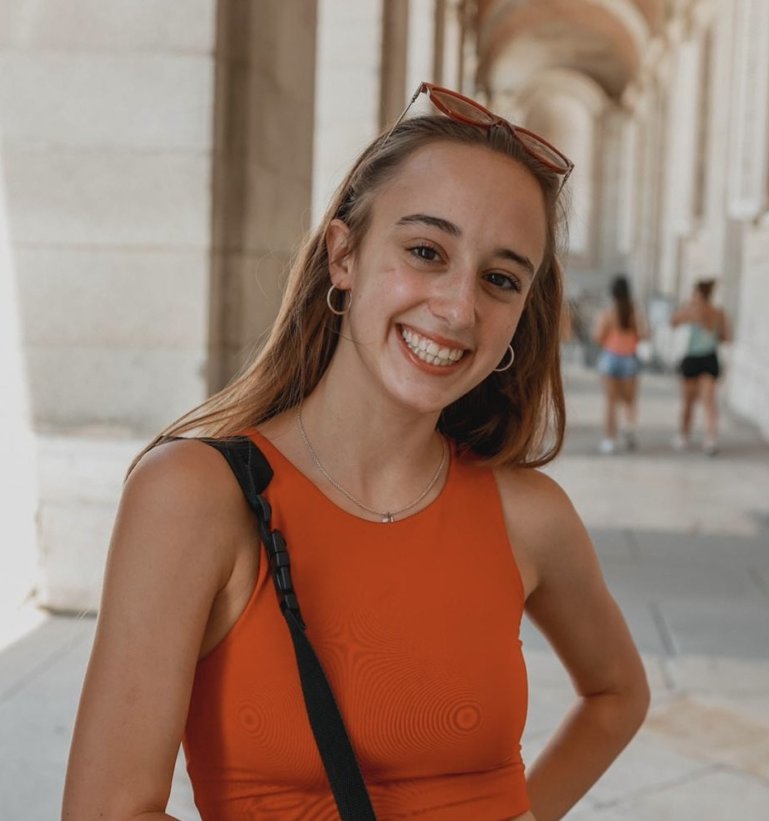
Sara holds a degree in Biotechnology and is currently pursuing a Master's degree in Neuroscience at the Autonomous University of Madrid (UAM). Two words define her: curiosity, which shapes her perspective, and precision, which guides her approach. Both are essential in research and in photography, another one of her passions.

Victor holds a degree in Health Biology from the University of AlcalΓ‘. After his bachelor thesis in our laboratory, he decided to stay with us and pursue his Master's degree in Neuroscience at the Autonomous University of Madrid. He is passionate about animals and reading, and his curiosity motivates him to keep learning and exploring new ideas.

Maika holds a degree in Biotechnology and is currently pursuing a Master's degree in Neuroscience at the Complutense University of Madrid (UCM). She is interested in research on the cellular and molecular mechanisms underlying the functioning of the nervous system. She considers herself persistent, proactive, and a strong team player. Outside the laboratory, she channels the same curiosity into traveling and reading.

Francesca holds a Bachelor's degree in Biology and a Master's in Neuroscience from the University of Naples Federico II. She joined our laboratory through an Erasmus Traineeship program, perfectly combining her love for travel and discovering new cultures with her passion for scientific exploration. She is deeply fascinated by cell culture work, finding inspiration in the microscopic world to uncover the secrets of the brain.
Motivated PhD students and postdocs are welcome to apply.
Get in touch βWe combine molecular, cellular, and systems approaches to understand how astrocyte-neuron interactions shape brain circuits and control voluntary behaviors.
We investigate the mechanisms regulating adult astrocyte morphological remodeling and how changes in astrocyte structure influence synaptic function and circuit dynamics.
Using in vivo imaging and electrophysiology, we map how astrocyte-neuron interactions in the anterior cingulate cortex and dorsomedial striatum control goal-directed behaviors.
We study how operant conditioning reshapes excitatory synapses onto defined cortical-striatal projection neurons, controlling effort exertion and reward-based decision-making.
We identify novel intracellular signaling pathways controlling astrocyte structural plasticity, using molecular tools, transcriptomics, and genetic approaches in vivo.
We model how disrupted astrocyte-neuron communication leads to motor and cognitive deficits characteristic of neurodegenerative and psychiatric diseases.
We design and share custom experimental devices and open-source tools to make neuroscience research more accessible, reproducible, and collaborative across laboratories.
* corresponding author Β· + co-first author
Irala D, Wang S, Sakers K, Nagendren L, Ulloa Severino FP, Sivadasan Bindu D, Eroglu C. Astrocyte-Secreted Neurocan Controls Inhibitory Synapse Formation and Function. Neuron, 2024. Online resource
Ulloa Severino FP*+, Lawal O+, Sakers K, Wang S, Kim N, Friedman A, Johnson SA, Sriworarat C, Hughes RN, Soderling S, Kim IH, Yin HH*, Eroglu C*. Training-induced circuit-specific excitatory synaptogenesis in mice is required for effort control. Nature Communications, 2023. Online resource
Fallon IP, Hughes RN, Ulloa Severino FP, Kim N, Lawry CM, Watson GDR, Roshchina M, Yin HH. The role of the parafascicular thalamic nucleus in action initiation and steering. Current Biology, 2023. Online resource
Petter AE, Fallon IP, Hughes RN, Watson GDR, Meck WH, Ulloa Severino FP, Yin HH. Elucidating a locus coeruleus-dentate gyrus dopamine pathway for operant reinforcement. eLife, 2023. Online resource
Zhang J, Hughes RN, Kim N, Fallon IP, Bakhurin K, Kim K, Ulloa Severino FP, Yin HH. A one-photon endoscope for simultaneous patterned optogenetic stimulation and calcium imaging in freely behaving mice. Nature Biomedical Engineering, 2023. Online resource
Lawal O, Ulloa Severino FP*, Eroglu C*. The role of astrocyte structural plasticity in regulating neural circuit function and behavior. Glia, 2022. Online resource
Watson GDR, Hughes RN, Petter EA, Fallon IP, Kim N, Ulloa Severino FP, Yin HH. Thalamic projections to the subthalamic nucleus contribute to movement initiation and rescue of parkinsonian symptoms. Science Advances, 2021. Online resource
Li S*, Ulloa Severino FP*, Ban J, Wang L, Pinato G, Torre V, Chen Y. Improved neuron culture using scaffolds made of three-dimensional PDMS micro-lattices. Biomedical Materials, 2018. Online resource
Rauti R, Lozano N, LeΓ³n V, Scaini V, Musto M, Rago I, Ulloa Severino FP, Fabbro A, Casalis L, VΓ‘zquez E, Kostarelos K, Prato M, Ballerini L. Graphene Oxide Nanosheets Reshape Synaptic Function in Cultured Brain Networks. ACS Nano, 2016. Online resource
Ulloa Severino FP*, Ban J*, Song Q, Tang M, Bianconi G, Cheng G, Torre V. The role of dimensionality in neuronal network dynamics. Scientific Reports, 2016. Online resource
Updates on publications, grants, awards, and lab events.
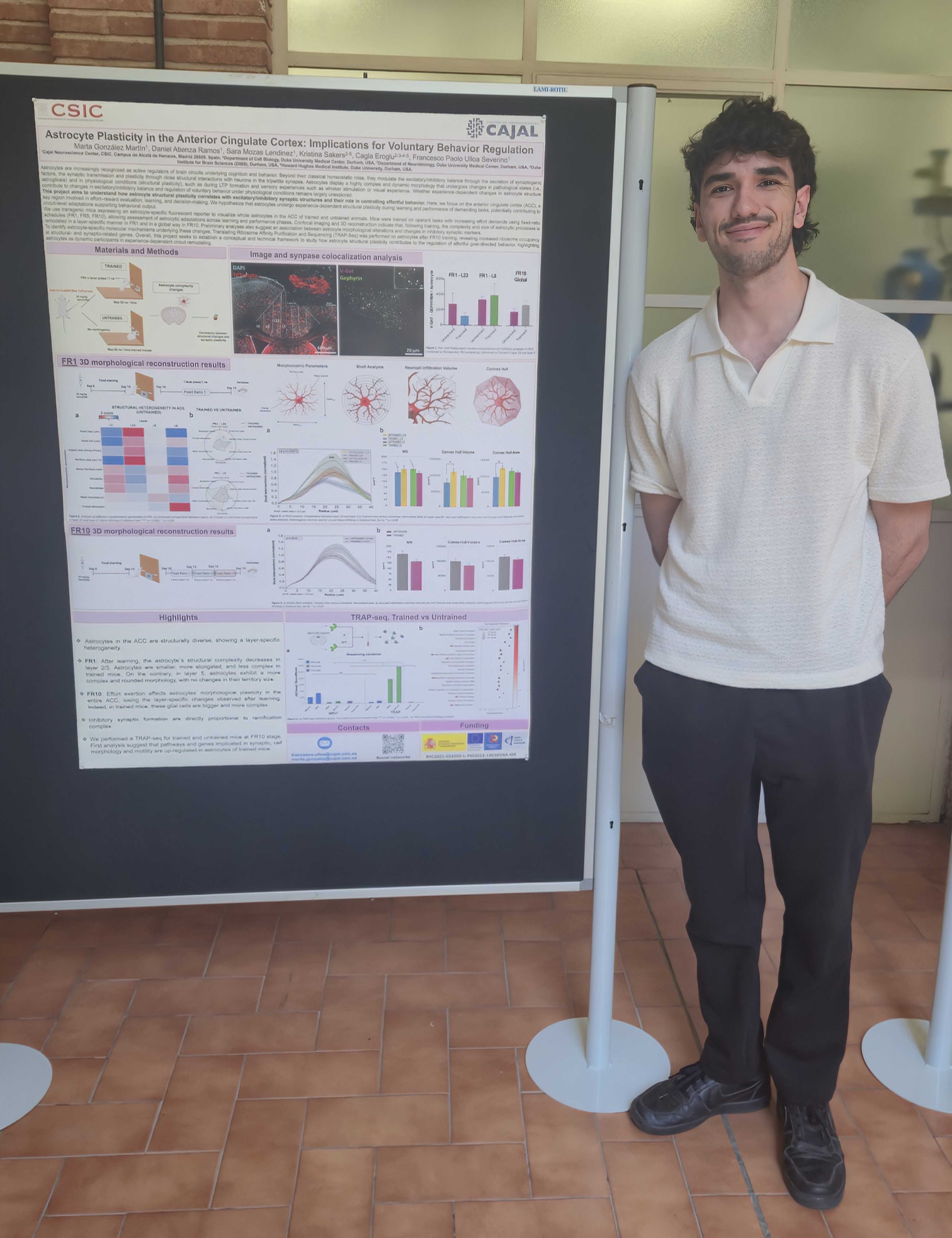
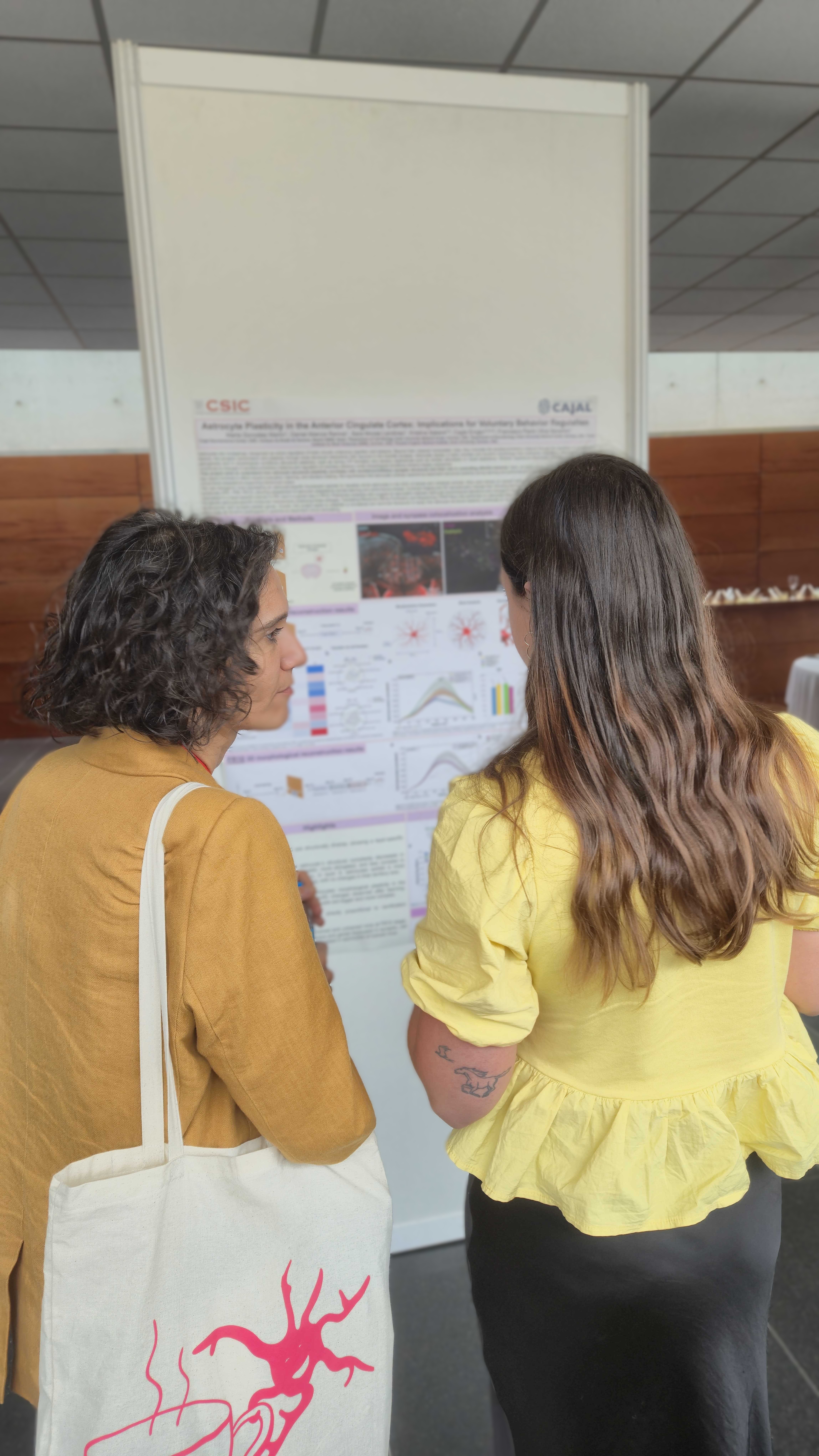
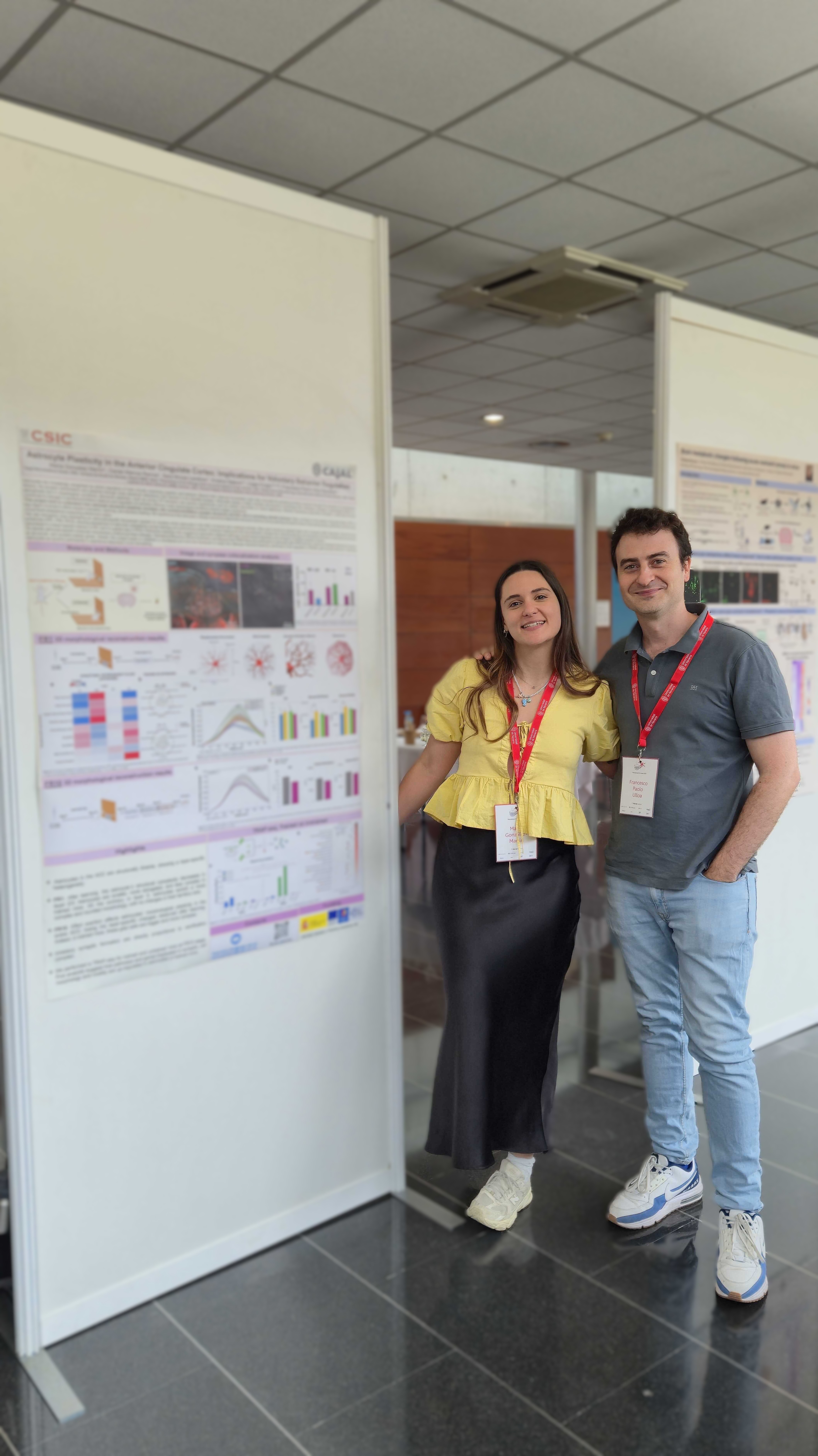
Marta GonzΓ‘lez MartΓn travelled to Pamplona to present her PhD work at the Astrocyte CafΓ© 2026, a meeting dedicated to the latest advances in astrocyte biology. She did a fantastic job representing the lab β congrats Marta!
π
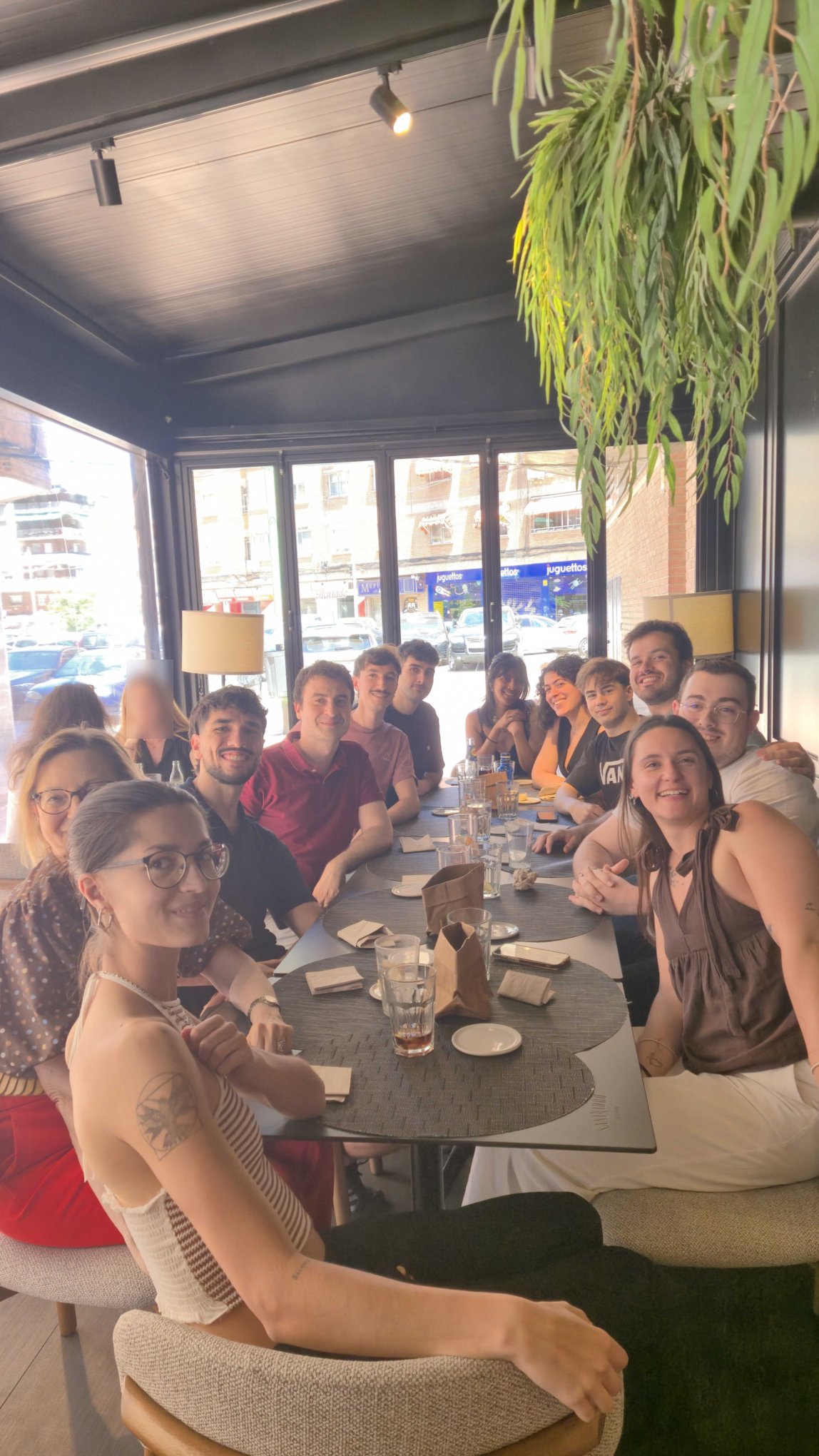
Our lab and the ArΓ©valo Lab went out for lunch to say goodbye to Ivan, a visiting student from Argentina who spent 3 months with us. It was a wonderful time together β we wish Ivan all the best in his next adventures!
We are grateful to all the researchers who have been part of our lab and contributed to our work.


We are committed to open science. Below you'll find protocols, datasets, code, and other materials from our work.
Step-by-step experimental protocols for in vivo imaging, slice electrophysiology, viral injections, and behavioral paradigms.
Browse protocols βOpen-access neural and behavioral datasets from our published work, hosted on Zenodo and the DANDI Archive.
Access data βGitHub repositories with Python and MATLAB code for calcium imaging analysis, behavioral scoring, and circuit modeling.
View on GitHub βOur internal guide covering lab culture, expectations, safety procedures, and onboarding for new members.
Read the handbook βA curated selection of foundational and cutting-edge papers relevant to astrocyte biology, circuits, and behavior.
View reading list βInformation for students and postdocs interested in joining. We welcome motivated researchers at all career stages.
Get in touch β